
Posts

Showing posts from April, 2023

Apostrophe

Image
Apostrophe The apostrophe is a punctuation mark that we use to transfer a word into contraction, plural, or possessive form. The apostrophes has great importance in the English language. They are tricky, but they avoid confusion. We are going to study everything regarding an apostrophe in this article. Apostrophe with Contraction A contraction is a shortened form where we have missing letters or sounds. We use an apostrophe to represent the missing letters or sounds. The apostrophe is replaced with the missing letters or sounds. Examples of Apostrophe with Contractions Not Does not, is not, has not, had not, was not, will not, cannot Doesn’t, isn’t, hasn’t, hadn’t, wasn’t, won’t, can’t Is/are/am He is, they are, I am He’s, they’re, I’m Has/have/had He has, you have, he had He’s, you’ve, he’d Will/would I will, she will, I would I’ll, she’ll, I’d ...

Hyphen

Image
Hyphen A hyphen is one of the punctuation marks, a short horizontal line (-), which joins words or parts of words. A hyphen is placed directly between letters without spaces. A hyphen is not interchangeable with dashes; a dash is a longer horizontal line than a hyphen. The following are uses of a hyphen. Hyphen with Compound Modifiers A compound modifier is a combination of two or more words that work together as a single adjective. A compound modifier is also called a compound adjective. A compound modifier is hyphenated to make it clear that the words work as a single word. The well-known teacher resigned from the job. His sixty-year-old father passed away. Generally, a compound modifier is hyphenated when it comes before a noun. We don’t need to use a hyphen when it comes after the noun. The teacher, who is well known, resigned from the job. His father is sixty years old. Remember that some compound adjectives are established. They are always hyphenated. State-...

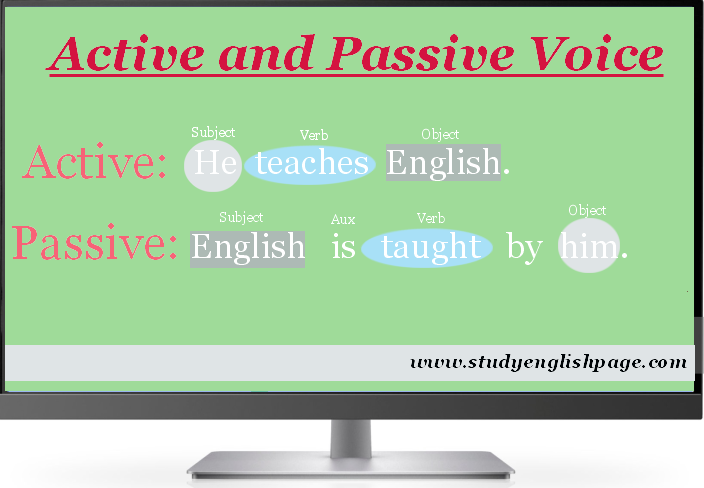
Active and Passive Voice

Image
Active and Passive Voice It is important to explain what the voice is. When we talk about the voice in grammar, the voice indicates the relationship between a subject and a verb whether the subject is the doer or receiver. Active Voice The verb is in the active voice when the subject is the doer of an action and takes it object. Anna bought a new red shirt. Passive Voice The verb is in the passive voice when the subject is the receiver of an action rather than the doer.   A new red shirt was bought by Anna. How to recognize the active voice and passive voice? Identify the subject. Identify the main verb. Identify the relationship between the subject and verb. If the subject is the doer of an action, the sentence is active. If the subject is the receiver of an action, the sentence is passive. Ali has closed the door. Subject = Ali Verb = closed Relationship = Ali is the doer. The sentence is active. Rice is grown in Parachinar. Subject = rice Ver...